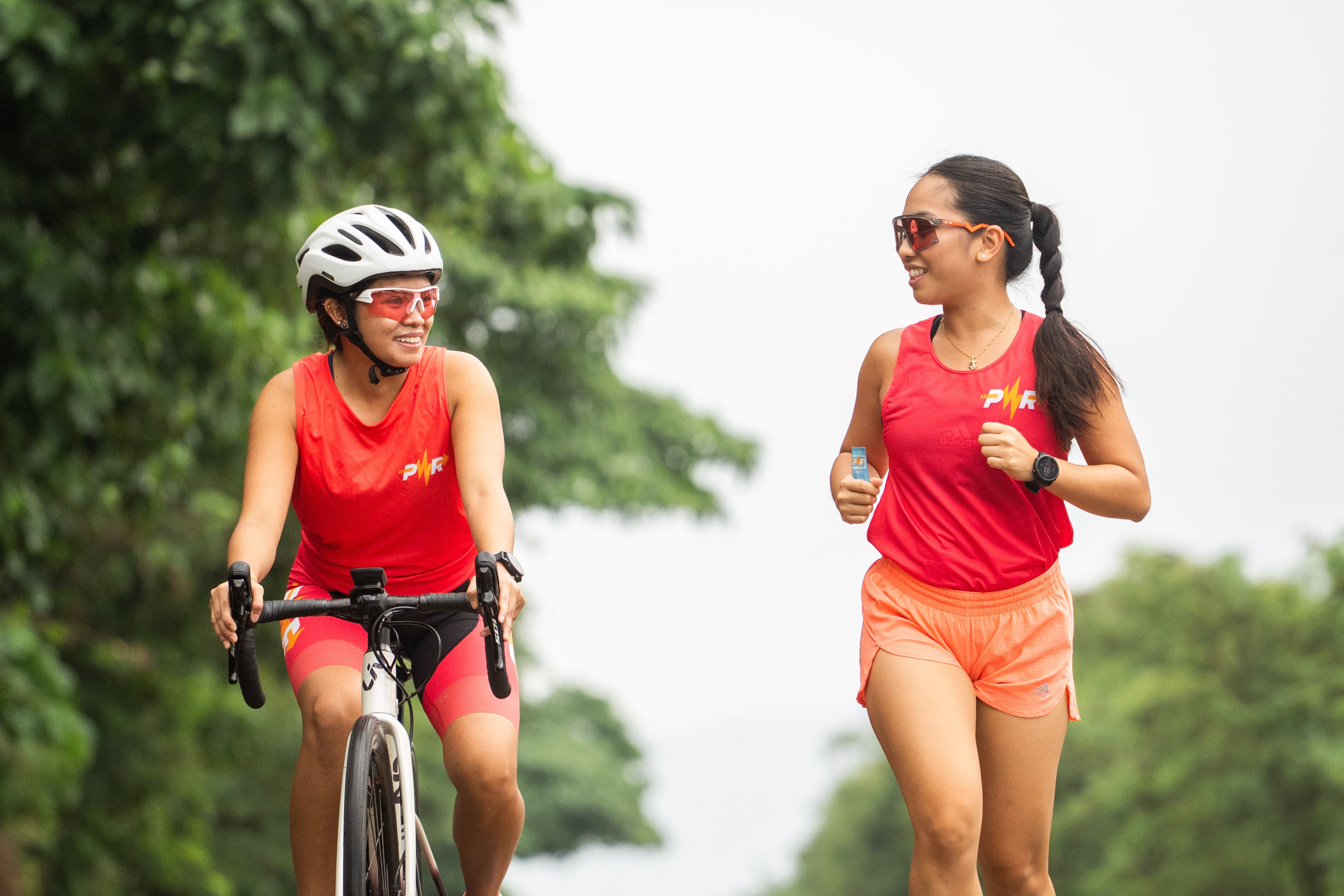

Training in the Philippines means two things: it’s hot, and you’re going to sweat—a lot. Whether you're a runner, cyclist, triathlete, or weekend warrior, hydration isn’t just about drinking water—it's a science and strategy.
Unfortunately, many endurance athletes in the Philippines unknowingly sabotage their performance and recovery with hydration mistakes that are easy to fix. If you’re putting in the hours but not seeing results—or worse, feeling sluggish or cramping—it might be time to reassess your hydration game.
Here are the most common mistakes we see—and how to fix them.
🚫 1. Only Drinking Water
Why it’s a problem:
Water alone doesn’t replace electrolytes, especially sodium, which you lose heavily in sweat. If you over hydrate with water and don’t replace sodium, it can even lead to hyponatremia, a serious condition where blood sodium levels drop too low.
What to do instead:
Use an electrolyte drink with at least 500–750 mg of sodium per serving—especially for workouts over 60 minutes or in hot conditions.
✅ Try: PWR Electrolytes 750 for sodium replacement, or PWR Carbs + Electrolytes Mix if you also need fuel.
🚫 2. Not Knowing Your Sweat Rate
Why it’s a problem:
Everyone sweats differently. Some lose 1 liter per hour, others 2–3 liters. Without knowing your sweat rate, you’re guessing how much to drink—and most people under-drink.
What to do instead:
Do a simple sweat test at home (weigh yourself before and after a 1-hour session) then input the data in our online sweat calculator or professionally tested through GAS Performance Lab, our official partner for advanced sweat testing.
🚫 3. Waiting Until You’re Thirsty
Why it’s a problem:
Thirst is a late sign of dehydration. By the time you feel thirsty, your body may already be 2% dehydrated—enough to reduce endurance performance.
What to do instead:
Have a hydration plan. Aim to sip fluids consistently every 15–20 minutes during long sessions, even before you feel thirsty.
🚫 4. Underestimating the Philippine Climate
Why it’s a problem:
High humidity limits your body’s ability to cool down. You sweat more than you realize, and your fluid and sodium loss can be massive even in just one hour.
What to do instead:
Adjust your hydration needs based on weather and intensity. The hotter and more humid it is, the more you need to replace. For many Filipino athletes, this means 1–1.5 liters of fluid and 1000–1500mg sodium per hour.
🚫 5. Skipping Sodium in Recovery
Why it’s a problem:
Post-workout recovery isn’t just about protein and carbs. If you finish dehydrated and don’t replace sodium, recovery slows down and cramps can show up later in the day.
What to do instead:
Rehydrate with 150% of the fluids you lost. Use an electrolyte drink or eat sodium-rich food.
🚫 6. Trying New Hydration Strategies on Race Day
Why it’s a problem:
Your gut needs to train for hydration just like your muscles train for running or cycling. If you take in too much fluid or sodium on race day without practicing in training, you risk bloating, cramps, or GI issues.
What to do instead:
Test your hydration plan during long training sessions. Practice drinking your chosen fluids at race pace and conditions.
Hydration is a crucial component of athletic success, especially in the challenging Philippine climate. We hope this guide has provided you with valuable insights to refine your strategy. Remember to prioritize electrolytes, know your sweat rate, and adjust for the conditions. With the right knowledge and tools, you can optimize your performance and well-being.