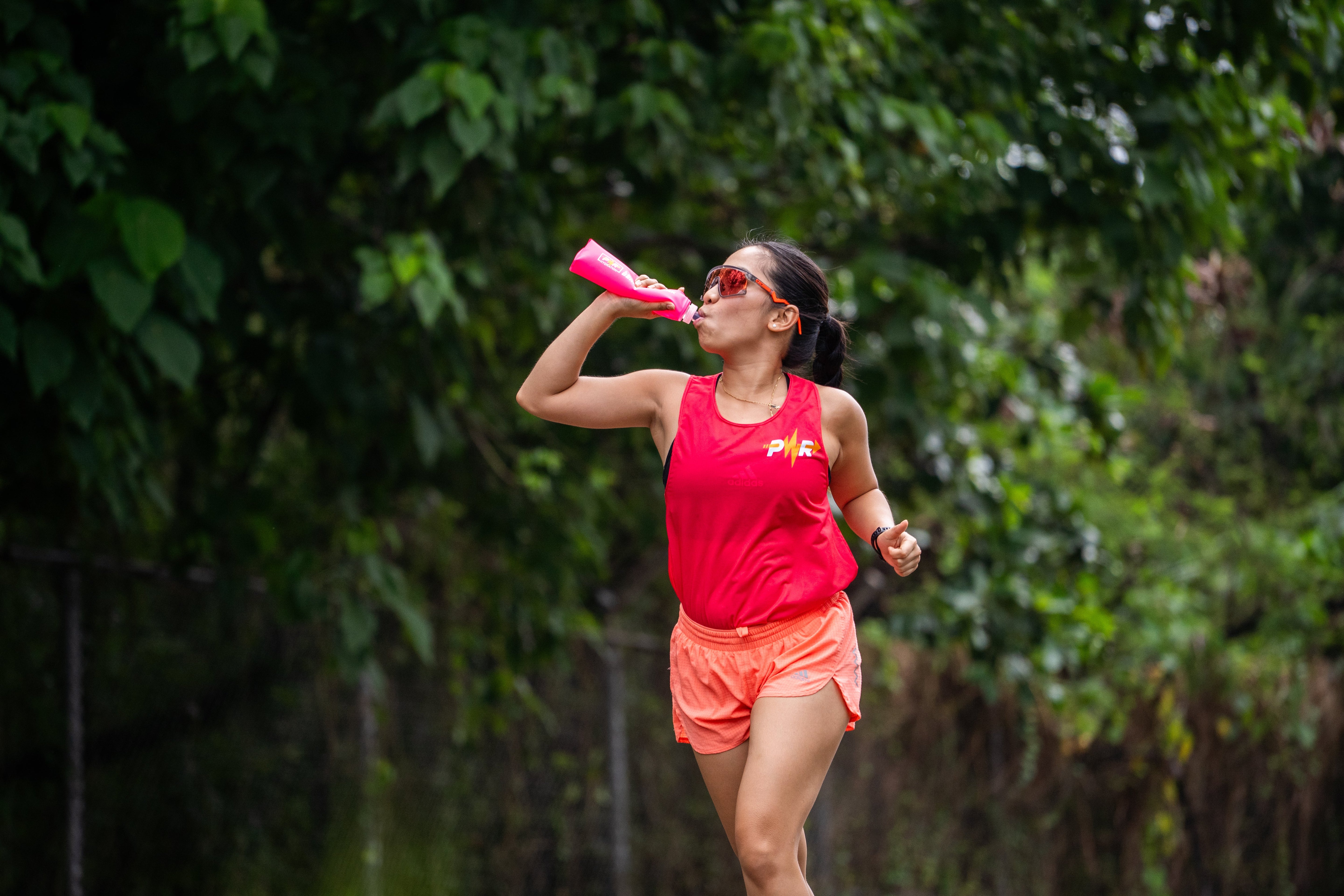

Dehydration doesn’t always hit all at once. For endurance athletes, especially those training or racing in the hot and humid conditions of the Philippines, dehydration can sneak up on you—and it can seriously affect your performance, safety, and recovery.
Whether you're running your first 10K, riding your longest weekend route, or grinding through a triathlon, recognizing the early warning signs of dehydration is a must.
Why It Matters
When you sweat, you lose not only water but also critical electrolytes like sodium. If you're not replacing what you're losing—especially over long periods—you can become dehydrated, even if you're still drinking water.
💡 Even just a 2% drop in body water can lead to reduced performance, early fatigue, and poor decision-making.
Common Signs of Dehydration During Endurance Training or Racing
Here are the top warning signs to watch out for:
1. Muscle Cramps
Cramps during a run or ride are often a sign of sodium depletion, not just low potassium. This happens when you're sweating a lot but not replacing enough sodium through drinks or supplements.
2. Unusual Fatigue or Heavy Legs
If your usual pace feels way harder or your legs feel heavy earlier than expected, dehydration might be reducing your blood volume and making your heart work harder.
3. Dizziness or Lightheadedness
A major red flag. When you're low on fluids and sodium, your blood pressure can drop, causing dizziness—especially when transitioning from sitting to standing or during long climbs.
4. Dry Mouth and Sticky Throat
You feel like no matter how much you swallow, your mouth is still dry. This is one of the earliest signs your fluid levels are dipping.
5. Slower Mental Processing
You lose focus, forget your route, or take longer to make decisions. Dehydration affects cognitive performance too, not just your muscles.
6. Decreased Urine Output or Dark Urine
If you haven't peed in hours or your urine is dark yellow, your body is holding onto water—clear sign that you’re dehydrated.
7. Elevated Heart Rate or Feeling Overheated
When you're dehydrated, your heart has to work harder to pump blood, and your body struggles to cool itself. You might notice your heart rate is higher than usual, even at moderate effort.
How to Stay Ahead of Dehydration
-
Preload with Electrolytes:
Drink 500ml–1000ml of water mixed with 1–2 servings of PWR Electrolytes 750 (link product page) before training. -
Fuel During:
For long sessions, aim to replenish 500–1500mg of sodium per hour and replace 60–70% of your sweat loss.
Try PWR FUEL + Electrolyte Mix (30g carbs + 500mg sodium) to hydrate and fuel at the same time.
Recover Smart:
After your workout, replace 150% of lost fluids and sodium to kickstart recovery.
Remember that consistent and strategic hydration, including electrolyte replacement, is key to maintaining performance, safety, and optimal recovery. PWR is committed to providing athletes with the tools and information they need to succeed.